
البرامج
اكتشف برامج التدريب العالمية لدينا المصممة لإطلاق مسيرتك المهنية في الطيران.
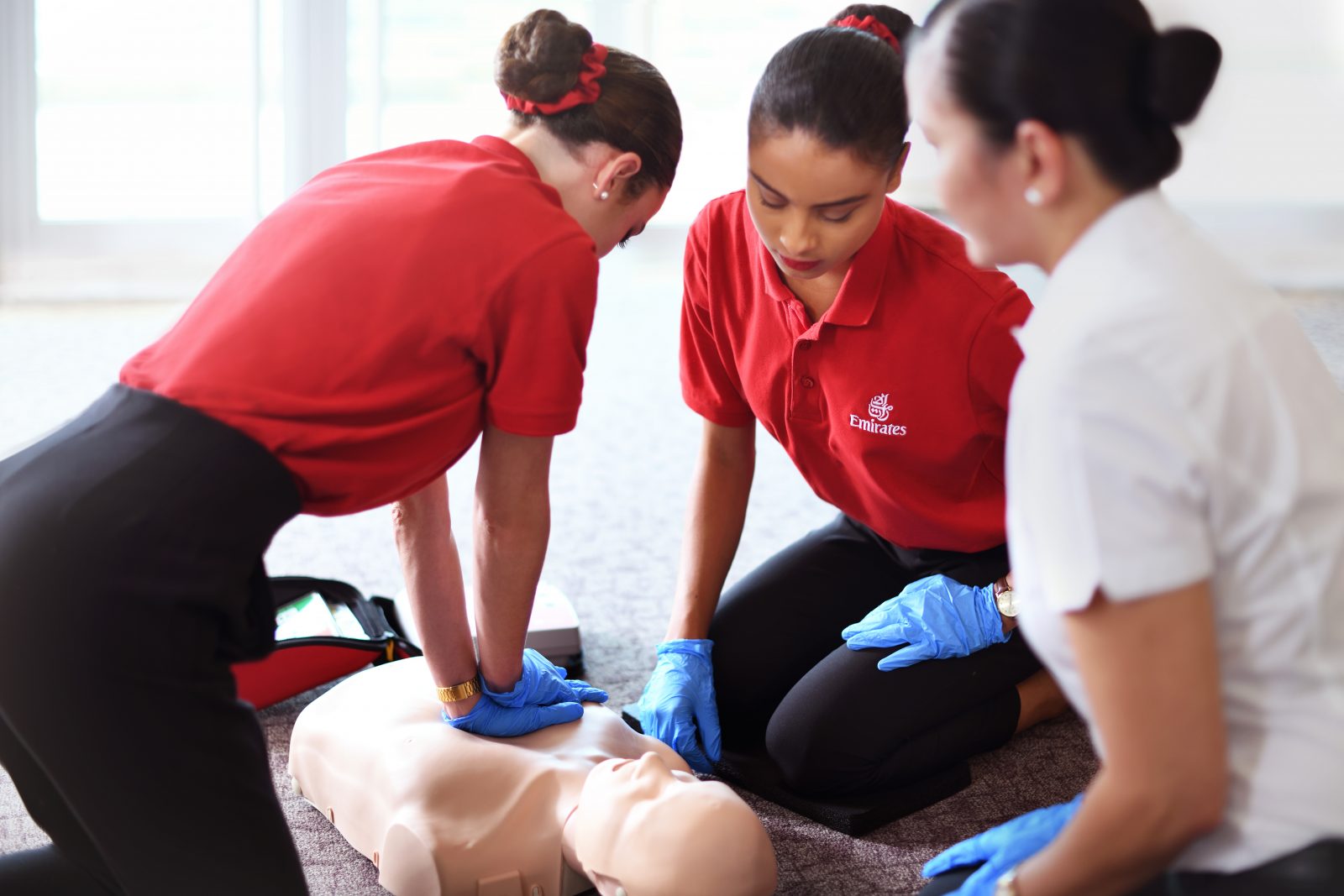
🩹 دورة الإسعافات الأولية (First Aid Course) 🚑
🚑 دورة الإسعافات الأولية المعتمدة (First Aid Course) امتلك مهارة إنقاذ حياة.. في أي وقت وفي كل مكان لأن كل ثانية تصنع فارقاً، نقدم لك الدورة الأكثر حيوية وتأثيراً بالتعاون مع الهلال الأحمر المصري. ستتعلم من خلالها كيفية التعامل مع الطوارئ الطبية الحرجة، من الإنعاش القلبي الرئوي (CPR) وحتى السيطرة على النزيف والكسور، باستخدام أحدث أجهزة المحاكاة (Manikins). صُممت هذه الدورة لبناء ثقتك في إدارة الأزمات والالتزام بمعايير السلامة الدولية المطلوبة في قطاع الطيران وكافة مجالات العمل الاحترافية. كن مستعداً.. لتكون المنقذ!
- 1 شهر
- كورس تدريبي
رسوم الدورة
EGP3500.00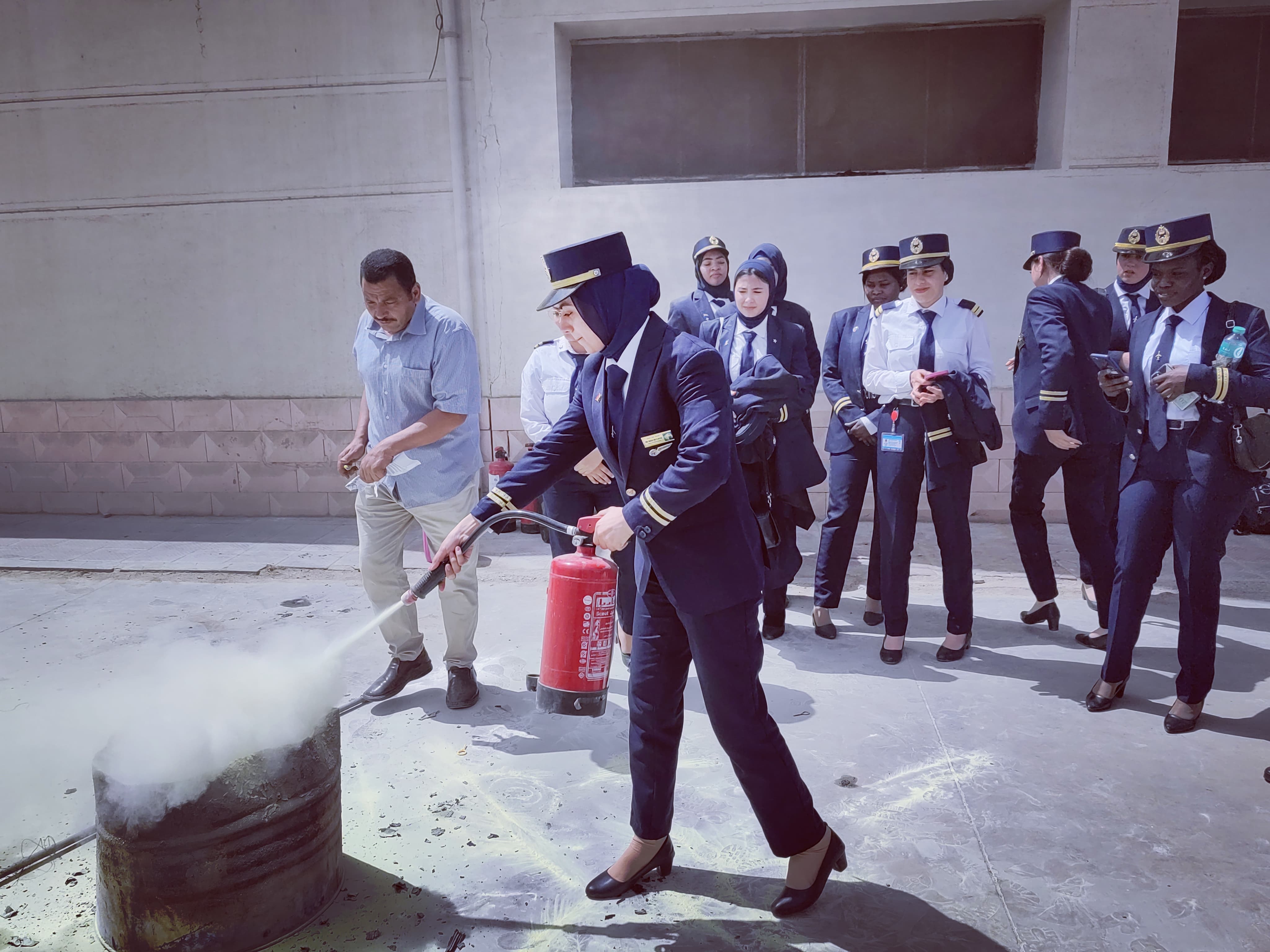
👨🚒 دورة مكافحة الحرائق للمضيفين الجويين (Firefighting for Flight Attendants)
قال Gemini إليك وصف قصير ومكثف (Short Description) لدورة مكافحة الحرائق، مصاغ بأسلوب احترافي يبرز التعاون مع وزارة الداخلية وأهمية التدريب العملي: 👨🚒 دورة مكافحة الحرائق التخصصية (Aviation Firefighting) السيطرة والاحتراف.. حينما تصبح الثانية فارقة في السماء في بيئة الطيران، لا مجال للخطأ. بالتعاون مع مركز التنمية البشرية بوزارة الداخلية المصرية، نقدم لك التدريب الأمني الأكثر انضباطاً وواقعية. ستتعلم من خلال المحاكاة الحية كيفية مواجهة الحرائق الفعلية داخل مقصورة الطائرة، واستخدام معدات التنفس الوقائية (PBE)، والسيطرة على الأزمات في بيئات مليئة بالدخان. هذه الدورة هي الركيزة الأساسية لإجراءات السلامة والطوارئ (SEP) المطلوبة عالمياً، لتخرج منها بشهادة معتمدة وجاهزية تامة لحماية الركاب في أصعب الظروف.
- 2 يوم
- كورس تدريبي
رسوم الدورة
EGP6000.00
🧠 علم النفس للمضيفين الجويين (Psychology for Flight Attendants) ✈️
دورة التميز في الضيافة الجوية: المصطلحات وعلم نفس الطيران ✈️ برنامج تدريبي متكامل يجمع بين إتقان "لغة الطيران" العالمية وبين فهم "العوامل البشرية" والسلوك النفسي. تهدف الدورة لتمكين المضيفين من إدارة مقصورة الطائرة باحترافية، والتعامل الذكي مع أنماط الركاب المختلفة، واتخاذ القرارات تحت الضغط بمركز التعليم المدني وبإشراف "الإماراتية للضيافة الجوية".
- 1 شهر
- كورس تدريبي
رسوم الدورة
EGP3500.00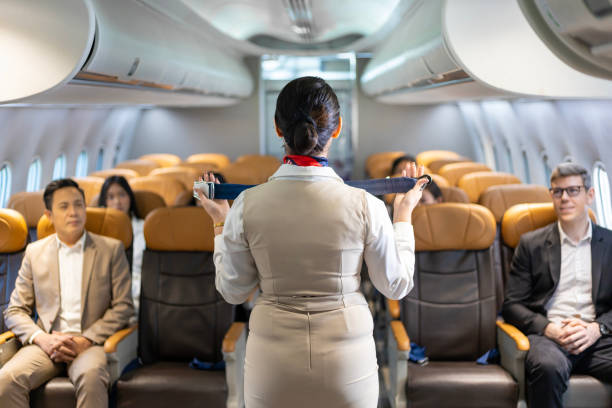
🎙️ دورة إعلانات المضيفين الجويين (Flight Attendant Announcement Course) ✈️
🎙️ دورة فن إعلانات المضيفين الجويين (Cabin Announcements Course) صوتك هو هويتك الاحترافية فوق السحاب في عالم الطيران، نبرة صوتك هي مصدر الثقة الأول للركاب. بالتعاون مع مركز التعليم المدني، نقدم لك تدريباً فنياً متخصصاً لصقل "صوت الطيران" الاحترافي. ستتعلم من خلال قاعاتنا المجهزة بأحدث الأنظمة الصوتية كيفية إلقاء نصوص السلامة والترحيب بطلاقة، والتحكم في طبقات الصوت لتهدئة الركاب أثناء الطوارئ أو المطبات الهوائية. هذه الدورة لا تمنحك فقط مهارة لغوية، بل تمنحك الكاريزما الصوتية التي تبحث عنها كبرى شركات الطيران الدولية لتعزيز ملفك المهني (CV) والتحليق بثقة تامة.
- 2 شهر
- كورس تدريبي
رسوم الدورة
EGP3000.00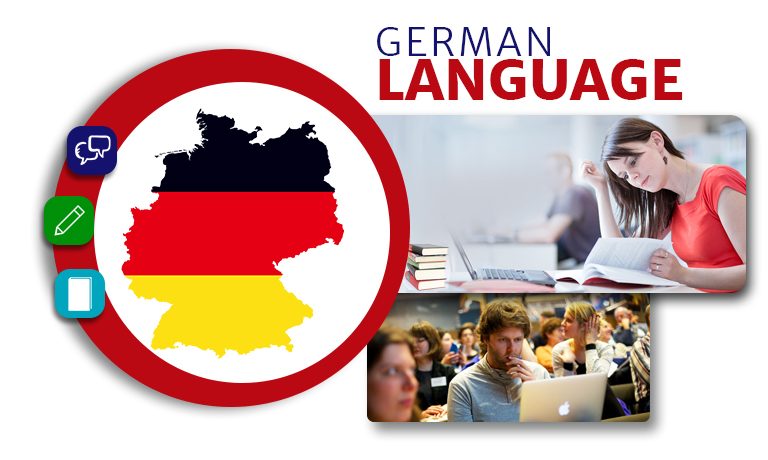
🇩🇪 دورة اللغة الألمانية (German Language Course) 📚
🇩🇪 دورة اللغة الألمانية المعتمدة (German Language Course) لغتك هي جسرك نحو مستقبل مشرق في قلب أوروبا هل تبحث عن التميز في سوق العمل الدولي أو الطيران؟ انضم إلينا في مركز التعليم المدني لتبدأ رحلتك في إتقان اللغة الألمانية وفق الإطار الأوروبي المرجعي (CEFR). ننتقل بك من مستويات المبتدئين حتى الاحتراف، مع التركيز على مهارات المحادثة والتحضير للامتحانات الدولية (مثل Goethe). نوفر لك بيئة تعليمية ذكية ومجهزة بأحدث الوسائل التكنولوجية، لتفتح أمامك أبواب العمل في كبرى الشركات العالمية أو الدراسة في أرقى الجامعات الألمانية. تعلم الألمانية.. وافتح آفاقاً لا حدود لها!
- 3 شهر
- كورس تدريبي
رسوم الدورة
EGP3500.00
🇮🇹 دورة اللغة الإيطالية (Italian Language Course) 🎨
🇮🇹 دورة اللغة الإيطالية المعتمدة (Italian Language Course) تعلم لغة الفن والجمال.. وافتح أبوابك للعالمية هل تحلم بالعمل في أرقى قطاعات الضيافة والموضة أو السفر لقلب أوروبا؟ انضم إلينا في مركز التعليم المدني لتبدأ رحلتك في إتقان اللغة الإيطالية من المستوى المبتدئ حتى الاحتراف. صُممت دورتنا لتمزج بين قواعد اللغة ومهارات المحادثة التفاعلية، مع تأهيلك الكامل لاجتياز الاختبارات الدولية المعتمدة (مثل CILS). في بيئة تعليمية ذكية ومجهزة بأحدث الوسائل، ستكتسب مهارة تمنحك الأفضلية في كبرى شركات الطيران والسياحة الدولية. انطلق بلغة "إيطاليا".. واصنع مستقبلك بلمسة إبداعية!
- 3 شهر
- كورس تدريبي
رسوم الدورة
EGP3500.00.jpeg)
🏊♂️ دورة السباحة للمضيفين الجويين (Cabin Crew Swimming Course) 🌊
إليك وصف قصير ومكثف (Short Description) لدورة السباحة، مصاغ بأسلوب احترافي يركز على الأمان والجاهزية البدنية العالية: 🏊♂️ دورة السباحة والإنقاذ المائي للمضيفين (Cabin Crew Swimming Course) ثبات، قوة، وجاهزية لإنقاذ الأرواح في أصعب الظروف لأن سلامة الركاب هي المهمة الأولى، نقدم لك دورة السباحة التخصصية بالتعاون مع القوات المسلحة المصرية (دار القوات الجوية / دار ضباط المشاة). صُممت هذه الدورة لتكون محاكاة واقعية لتدريبات "الهبوط الاضطراري على الماء" (Wet Drills)، حيث ستتقن مهارات الطفو، واستخدام سترات النجاة، وتقنيات الإنقاذ المائي في بيئة تدريبية احترافية ومنضبطة. هذه الدورة ليست مجرد تمرين رياضي، بل هي متطلب إلزامي عالمي (SEP) يمنحك الثقة والشهادة المعتمدة لتخطي اختبارات شركات الطيران الدولية بكل سهولة. كن مستعداً لكل الاحتمالات.. كن المضيف المنقذ!
- 3 شهر
- كورس تدريبي
رسوم الدورة
EGP6000.00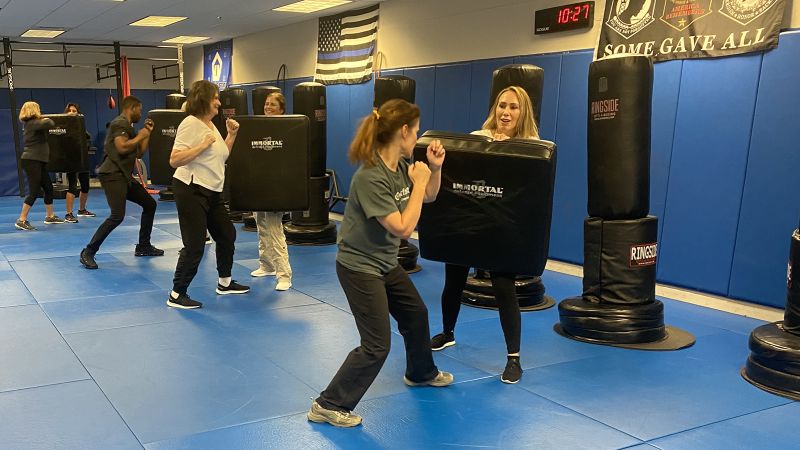
🥋 دورة الدفاع عن النفس (Self-Defense) 🛡️
🥋 دورة الدفاع عن النفس والسيطرة الأمنية (Self-Defense Course) كن خط الدفاع الأول.. لحماية قمرة القيادة وسلامة الركاب لأن المضيف الجوي هو حارس السماء، نقدم لك دورة الدفاع عن النفس التخصصية بالتعاون مع دار ضباط المشاة (القوات المسلحة المصرية). صُمم هذا التدريب لتمكينك من فنون القتال اليدوي وتكتيكات السيطرة على الركاب المشاغبين وإدارة المخاطر في المساحات الضيقة للطائرة. ستتعلم من خلال محاكاة واقعية كيفية التعامل مع التهديدات الأمنية ومحاولات الاختطاف بثبات وثقة. هذه الدورة لا تمنحك مهارات بدنية فحسب، بل تبني شخصيتك القيادية وتمنحك أفضلية أمنية مطلقة لدى شركات الطيران العالمية. امتلك القوة.. وحلق بأمان!
- 3 شهور
- كورس تدريبي
رسوم الدورة
EGP3000.00
🏋️♂️ دورة اللياقة البدنية (Fitness Course) 🦾
🏋️♂️ دورة اللياقة البدنية والتأهيل الرياضي (Aviation Fitness Course) قوام مثالي وطاقة لا تنفد.. لتكن الواجهة المشرفة فوق السحاب المظهر اللائق والنشاط البدني هما أولى عتبات القبول في شركات الطيران العالمية. بالتعاون مع دار ضباط المشاة (القوات المسلحة المصرية)، نقدم لك برنامجاً تأهيلياً متخصصاً يهدف إلى بناء "اللياقة الوظيفية" للمضيف الجوي. ستتعلم أسس التغذية الرياضية، وتقنيات التحمل لمواجهة ساعات الطيران الطويلة، وطرق الوقاية من إصابات العمل. تمنحك هذه الدورة الثقة والجاهزية البدنية الكاملة لاجتياز الاختبارات الطبية والبدنية الصارمة، مع شهادة معتمدة توثق كفاءتك وتمنح ملفك المهني (CV) الأفضلية المطلقة. استثمر في صحتك.. وحلق بجاهزية المحترفين!
- 3 شهور
- كورس تدريبي
رسوم الدورة
EGP4000.00