البرامج
اكتشف برامج التدريب العالمية لدينا المصممة لإطلاق مسيرتك المهنية في الطيران.
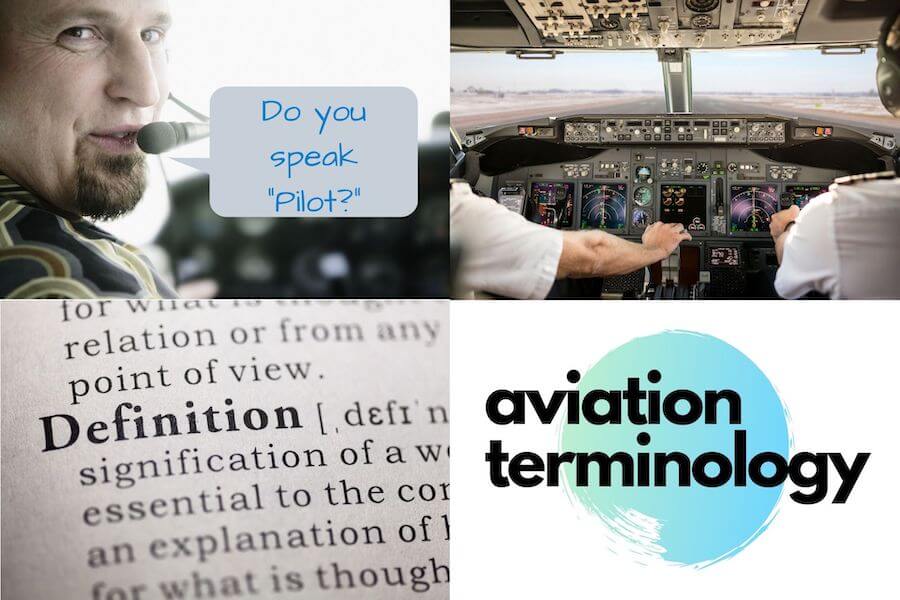
Aviation Terminology For Flight attendant
An Aviation Terminology course for flight attendants is a specialized training module that teaches the essential industry-specific language, acronyms, and codes required for safe, efficient, and professional cabin operations. It covers critical areas like aircraft parts, safety procedures, phonetic alphabet, and 24-hour time. * Key components of this training include: - Emergency & Safety Terminology: Definitions for equipment (jumpseat, oxygen masks), procedures (evacuation, ditching), and codes (Mayday, Pan-Pan). - Operational Language: Understanding ATC (Air Traffic Control), FAA (Federal Aviation Administration), FARs (Federal Aviation Regulations), and IATA codes. - Crew Roles & Stations: Familiarity with terms like Purser, Lead Flight Attendant, Aft, Forward, and Galley. - Communication Standards: Using the phonetic alphabet, 24-hour clock, and standardized cabin communication. - Passenger & Flight Codes: Understanding PAX (passengers), boarding procedures, and flight documentation. * This training is vital for passing airline new-hire exams and ensures effective communication during routine, service, or emergency situations.
- 3 Months Duration
- Certified Diploma
Course Fee
EGP3000.00
First Aid
* A First Aid course is a training program that equips individuals with the knowledge, skills, and confidence to provide immediate, temporary care to someone who is injured or suddenly ill. These courses cover essential, life-saving techniques like CPR, AED usage, and wound management, aiming to preserve life and minimize injury until professional medical help arrives. * Key Components of a First Aid Course - Core Skills: Participants learn to assess emergency scenes, manage breathing emergencies, and perform Cardio-Pulmonary Resuscitation (CPR) on adults, children, and infants. - Emergency Response: Training includes handling choking, controlling severe bleeding, managing shock, burns, poisoning, and recognizing medical emergencies like heart attacks or strokes. - Injury Care: Instruction covers treating fractures, dislocations, head/spinal injuries, and soft tissue injuries. - Practical Training: Courses are hands-on, often using manikins to practice CPR and AED, with scenarios designed to build confidence in high-stress situations. * Types of Courses - Basic/Emergency First Aid: Often 1 day or a few hours, covering essential, immediate care. - Comprehensive/Standard First Aid: A more in-depth, 2-day course for complex, high-risk, or workplace-specific injuries. - Specialized Courses: Includes Pediatric First Aid, Mental Health First Aid. * Importance and Certification - Validity: Certifications typically last for two to three years before requiring a refresher or recertification course. - Compliance: Many industries and workplaces require staff to hold valid first aid certification for safety compliance.
- 3 Months Duration
- Certified Diploma
Course Fee
EGP3000.00
Fire fighting for flight attendants
A firefighter course for flight attendants is a specialized, mandatory, and hands-on safety training that teaches cabin crew how to detect, manage, and extinguish fires on board an aircraft. It combines theoretical knowledge with simulations in smoke-filled environments, focusing on using extinguishers, PBE (Protective Breathing Equipment), and handling emergency scenarios in galleys, lavatories, or seats. * Key Components of the Course: - Practical Firefighting (Real Fire Training): Trainees fight actual, controlled fires in training mock-ups, such as in ovens, overhead bins, or lavatories. - Protective Breathing Equipment (PBE): Training in quickly donning and using emergency smoke hoods to breathe while fighting fires. - Fire Classification & Extinguishers: Learning to identify types of fires (Class A, B, C) and selecting the appropriate fire extinguisher (Halon, water, etc.). - Search & Rescue: Techniques for locating hidden fires, managing smoke-filled cabins, and communicating with the flight deck. - Prevention & Reporting: Understanding how to identify potential fire hazards before they start and reporting procedures. * This training is part of the broader Safety and Emergency Procedures (SEP), ensuring crew members can act instantly and effectively to protect passengers.
- 3 Months Duration
- Certified Diploma
Course Fee
EGP3000.00
Psychology for flight attendant
A psychology course for flight attendants, often framed within Aviation Psychology or Human Factors training, focuses on equipping cabin crew with skills to manage stress, enhance safety, and handle passenger behavior. It teaches emotional intelligence, conflict resolution, and decision-making under pressure to maintain a safe, comfortable cabin environment. * Key Aspects of Psychology Courses for Flight Attendants: - Crew Resource Management (CRM): Improves communication, teamwork, and decision-making between cabin crew and pilots, reducing errors. - Passenger Behavior Analysis: Training in psychology helps identify, manage, and de-escalate interactions with unruly or anxious passengers. - Stress and Fatigue Management: Techniques for handling high-pressure situations, emergencies, and the physical/mental challenges of long flights or rapid time-zone changes. - Human Factors & Safety: Understanding how cognitive biases, memory limitations, and fatigue influence performance and safety. - Emotional Intelligence: Developing empathy and the ability to read passengers' needs and emotional states. - These courses are designed to help crew stay calm, act decisively in crises, and ensure a professional, secure, and customer-focused experience.
- 3 Months Duration
- Certified Diploma
Course Fee
EGP3000.00
Announcement
* A flight attendant announcement course trains cabin crew to deliver clear, confident, and professional PA (Passenger Address) announcements. It covers safety, boarding, and in-flight service scripts to ensure compliance and passenger comfort, often involving voice modulation training, English fluency, and, in some cases, simulated in-flight cabin practice. * Key Aspects of Announcement Training: - Core Scripts: Training includes mandatory, safety-critical messages (pre-boarding, safety demonstrations, turbulence) and service announcements (meals, landing). - Delivery and Tone: Focuses on maintaining a calm, authoritative, yet welcoming voice, especially during stressful or emergency situations. - Aviation English: Enhances pronunciation and vocabulary for international flights. - Scenario-Based Practice: Many courses use simulators to replicate cabin sounds and pressures, allowing trainees to practice speaking over the aircraft PA system. - Emergency Procedures: Specific training on how to deliver announcements during medical emergencies or unexpected turbulence.
- 3 Months Duration
- Certified Diploma
Course Fee
EGP3000.00
German
A German course is a structured educational program designed to teach the German language, covering reading, writing, listening, and speaking skills from beginner (A1) to advanced (C2) levels based on the Common European Framework of Reference (CEFR). These courses often include cultural insights and prepare learners for recognized examinations like the Goethe-Zertifikat or TestDaF, with options for intensive, online, or classroom-based learning. * Key Aspects of a German Course: - Levels: Courses range from beginner (A1/A2), intermediate (B1/B2), to advanced (C1/C2). - Curriculum: Focuses on grammar, vocabulary, conversation, and everyday communication. - Course Types: Options include intensive (daily), extensive (part-time), evening, weekend, or online formats. - Target Audience: Courses are designed for adults, young learners, professionals, or students planning to study in Germany. - Duration: Ranges from short-term intensive workshops to multi-month programs. * Common Features: - Certification: Preparation for internationally recognized exams. - Cultural Content: Focus on German culture and society. - Placement Tests: Many providers offer initial assessments to determine the correct starting level.
- 3 Months Duration
- Certified Diploma
Course Fee
EGP3000.00
Italy
An Italian course is a language program designed to teach Italian language and culture, ranging from beginner (A1) to advanced levels, often including intensive, extensive, and specialized options (e.g., academic year, tour, or online). These courses focus on grammar, conversation, reading, and writing, and are frequently taken in Italy, offering immersion through cultural activities. * Types of Italian Language Courses: - Intensive/Standard Courses: Typically last 2–4 weeks and focus on rapid improvement in speaking and understanding. - Long-Term/Academic Year: 32-week courses designed for deep language immersion, preparing students for official proficiency exams like CILS or DILI. - Italian Tour Courses: Combined learning and travel experiences where students study in different cities. - Online Courses: Flexible, virtual learning options often covering foundational grammar and conversation. * Key Features of Italian Courses in Italy: - Immersive Environment: Classes are often located in major cities like Florence, Rome, Milan, or Turin. - Small Class Sizes: Usually 24-50 students maximum, promoting interaction. - Accredited Certificates: Many programs offer certifications recognized by the Italian embassy or academic bodies. - Cultural Activities: Lessons often include cooking classes, city tours, or excursions. * Common Curriculum Components: - Language Skills: Reading, writing, listening, and speaking (present, past, and future tenses). - Cultural Knowledge: History, art, and daily life in Italy. * These courses are suitable for students, travelers, or professionals seeking to improve their proficiency for travel, work, or university study in Italy.
- 3 Months Duration
- Certified Diploma
Course Fee
EGP3000.00
Swimming for Cabin Crew
* A swimming course for cabin crew, often part of "wet drill" or ditching training, ensures flight attendants can survive and assist passengers in water emergencies. It focuses on practical skills like swimming roughly 50 meters unaided (often in uniform), treading water for 3 minutes, donning life vests, and rescuing others. * Key Components of the Swimming Course: - Ditching Procedures: Training in survival techniques, including how to evacuate into water, use life rafts, and remain calm during high-stress situations. - Physical Requirements: While standards vary by airline and EASA/CAA regulations, trainees must demonstrate they can swim at least 50 meters, often with clothes on to simulate real-world conditions. * Practical Skills: - Treading water: Maintaining buoyancy for an extended period. - Life vest usage: Fastening and inflating life vests while in the water. - Rescuing others: Assisting "drowning" passengers. - Confidence Building: The course aims to build confidence in the water, ensuring crew can handle emergencies effectively. * Training Context: - Timing: While not always required for initial interviews, swimming proficiency is a mandatory part of initial safety training (wet drills) before flying. - Assessment: Candidates often have to pass a practical, timed exam, such as swimming 100 meters in 2 minutes and 30 seconds, depending on the airline. It is highly recommended to be comfortable in the water and able to swim before starting this training, as it is a crucial safety component of the cabin crew role.
- 3 Months Duration
- Certified Diploma
Course Fee
EGP3000.00
Self-defense
A self-defense course for cabin crew, such as the TSA’s Crew Member Self-Defense Training (CMSDT), is a specialized, voluntary, and often free program designed to equip flight attendants and pilots with techniques to defend themselves and the flight deck against unruly passengers, hijackers, or criminal violence. These courses typically cover: - Physical Techniques: Hand-to-hand combat, striking, restraining, and using available items on board to defend against attackers. - Conflict Resolution: De-escalation methods for managing difficult, drunk, or disruptive passengers. - Situational Awareness: Training on identifying potential threats and managing risks in a confined, high-altitude environment. - Specific Skills: Training tailored to the cabin environment, such as in-flight hijacking scenarios and defending against weapons. - These sessions are often hands-on, involving simulations against trained instructors. They are designed to empower crew members to ensure the safety of the aircraft and passengers.
- 3 Months Duration
- Certified Diploma
Course Fee
EGP3000.00