Aviation Article Title 1
Article 1This is the full content of the article. It contains valuable information about flight training, safety, and aviation careers. Lorem ipsum dolor sit amet, consectetur adipiscing elit.
Boarding soon...
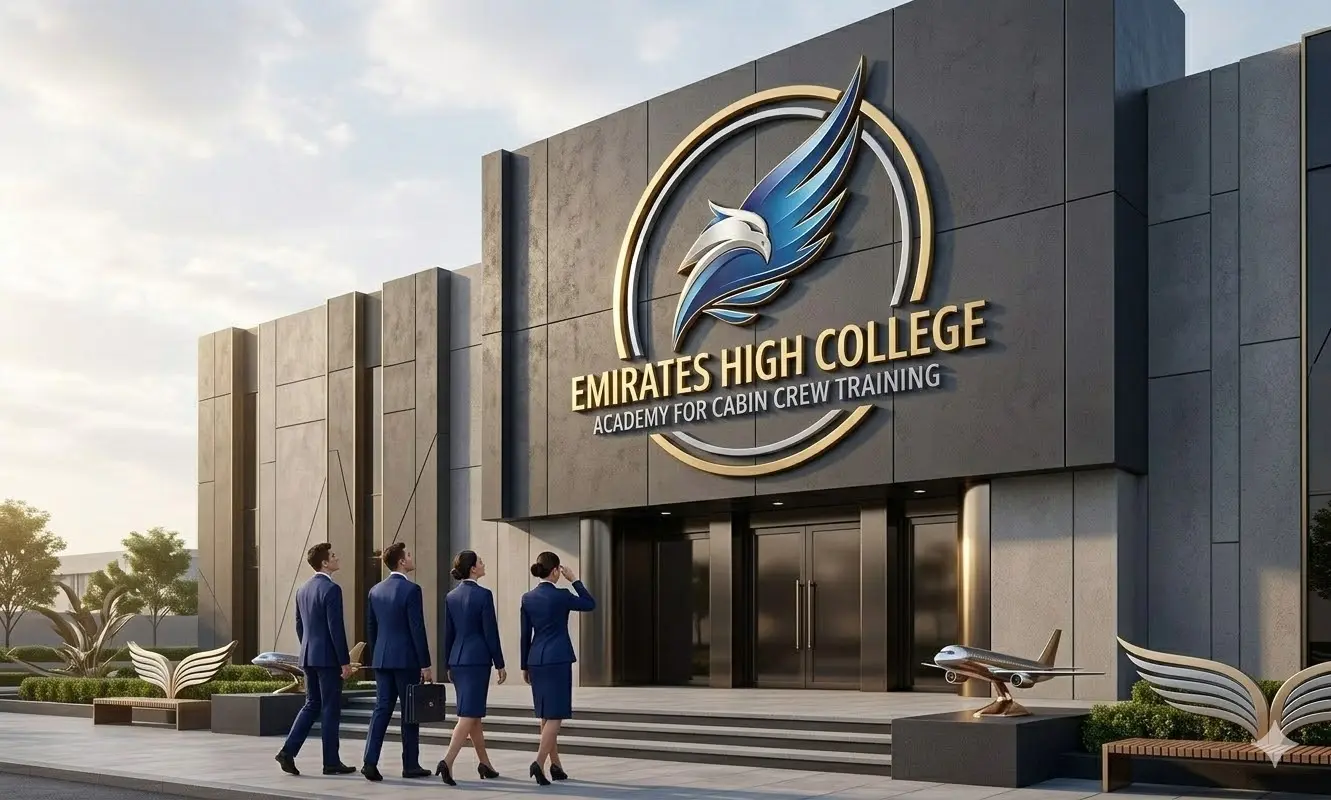
At EHC Cabin Crew, we don't just teach; we transform. Our comprehensive curriculum is designed by industry veterans to ensure you meet and exceed global aviation standards.
We offer more than just training; we offer a career pathway designed for success.
Our certificates are recognized by major international airlines across the globe.
Learn from ex-cabin crew members with over 15 years of flying experience.
Dedicated placement cell to ensure you land your dream job right after graduation.
Authenticate the credentials of our graduates.
Celebrating our high achievers
Join our exciting competitions and showcase your talents. Win amazing prizes and recognition.
View All CompetitionsOur state-of-the-art facilities designed to provide the best learning environment.
Swimming courses are structured programs designed for all ages and skill levels, ranging from water familiarity for beginners to stroke refinement for advanced swimmers, with a focus on technique, safety, and fitness. Programs commonly cover four key strokes (freestyle, backstroke, breaststroke, butterfly) and are often structured in stages. * Key Components of Swimming Courses - Levels: Often divided into stages focusing on confidence, buoyancy, and safety (e.g., beginner, intermediate, advanced). - Skills: Instruction includes water comfort, proper breathing, floating, gliding, and stroke mechanics. - Safety: Emphasis on water safety, survival techniques, and in-water rescue skills. - Types: Lessons are available for infants, children, adults, and specialized fitness or competitive training. * Main Swimming Strokes & Techniques - Freestyle (Front Crawl): The fastest stroke, focusing on alternating arm pulls and a flutter kick. - Backstroke: Swum on the back, allowing for easier breathing. - Breaststroke: A short-axis stroke requiring a whip kick and simultaneous arm movement. - Butterfly: An advanced, high-intensity stroke demanding strong technique. - Individual Medley (IM): A combination of all four strokes in a specific order. * Common Course Offerings - Learn-to-Swim: Beginner classes focusing on essential water skills. - Stroke Development: Improving technique and endurance in existing strokes. - Masters Swimming: Adult competitive and fitness training. - Water Safety/Lifesaving: Focus on rescue techniques and aquatic safety.
Course interviews are typically discussions with tutors to evaluate a candidate's passion, academic background, and suitability for the subject, often focusing on why you chose the course, your relevant skills, and your knowledge of the field. Preparation involves researching the curriculum, reviewing your personal statement, and practicing responses to potential questions, such as talking about relevant projects or academic interests. * Key Components of a Course Interview - Objective: To assess your interest in the subject, your academic abilities, and whether you are a good fit for the course. - Format: These can be one-on-one or group discussions, often lasting 20-30 minutes, or potentially including a short test or presentation. - Common Questions: . Why did you choose this specific course or university? . Tell us about your background or academic interests. . What are your academic strengths and weaknesses? . Questions about your personal statement. * Preparation Tips: - Research: Thoroughly read the course syllabus, modules, and university information. - Review: Re-read your personal statement, as questions may stem from it. - Practice: Prepare to discuss your passion for the subject and your future goals. - Skills: Be ready to talk about relevant skills or experiences, including any work or projects. - Questions: Prepare questions to ask the interviewer, showing your interest in the course. * During the Interview: - Be honest, polite, and professional. - Maintain eye contact and smile. - Take time to think before answering. * Common Pitfalls - Not researching the course enough. - Failing to connect your personal experiences to the course. - Not having any questions to ask the interviewer. - Sounding too rehearsed or insincere. * For more information, visit the websites of the Companies you are applying to, as they often provide specific guidance
The International Computer Driving License (ICDL) is a globally recognized certification validating essential digital literacy and computer skills, covering modules like file management, Word, Excel, PowerPoint, and cybersecurity. Suitable for all skill levels, it enhances employability, often required for office, academic, and government roles, with courses typically lasting around 40 hours * Key Aspects of the ICDL Course: - Core Modules: Generally covers Computer Essentials, Online Essentials, Word Processing, Spreadsheets, Presentations, and IT Security. - Target Audience: Designed for beginners to intermediate users seeking to boost productivity, employability, or meet job requirements. - Duration & Structure: Training typically spans roughly 40 hours, often delivered in face-to-face or online, self-paced formats. - Certification: Upon passing exams (often 7 for Standard, 4 for Base), a globally recognized certificate is awarded. - Importance: Widely accepted in over 100 countries as a standard for IT skills, often necessary for administrative roles and university requirements. * Key Topics Covered: - Computer Essentials: Operating systems, file management, and hardware/software basics. - Online Essentials: Web browsing, search engines, and internet security. - Word Processing/Spreadsheets/Presentations: Microsoft Office applications (Word, Excel, PowerPoint). - Cyber Security: Data protection, secure browsing, and malware awareness. * ICDL courses are provided by various authorized training centers worldwide, including specialized institutions in the Middle East and international partners.
Communication skills are essential abilities for exchanging information effectively, combining verbal, nonverbal, written, and visual methods to express ideas clearly and listen actively. Key skills include, but are not limited to, active listening, empathy, confidence, conciseness, and understanding nonverbal cues like body language. Improving these skills—often defined by the 7 Cs: clear, concise, concrete, correct, coherent, complete, and courteous—boosts professional success and interpersonal relationships.
General English courses are designed to improve core language skills—listening, speaking, reading, writing, grammar, and vocabulary—for daily life, travel, and social interaction. Ranging from beginner to advanced levels, these courses focus on building fluency, confidence, and practical communication skills. Classes often utilize interactive, real-life scenarios to enhance proficiency. * Key Components and Features of General English Courses - Core Skills Covered: Extensive practice in speaking (fluency), listening comprehension, reading, and writing. - Targeted Learning: Lessons focus on grammar rules, vocabulary expansion, and pronunciation improvement. - Levels: Often structured according to the Common European Framework of Reference (CEFR), starting from beginner (A1) to advanced (C1/C2). - Methodology: Classes are generally interactive, incorporating group work, role-plays, and multimedia to simulate real-life situations. - Duration: Courses can be flexible, often offered in 4-week modules, or full-time (approx. 15-20+ hours per week) or part-time. - Focus: Emphasizes communication in everyday contexts, social situations, and work-related environments. * Common Topics and Learning Outcomes - Grammar: Mastering tenses, prepositions, and sentence structure. - Vocabulary: Building everyday vocabulary for socializing, travel, and phone conversations. - Skills: Ability to write emails/short texts, understand spoken English, and hold fluent conversations. - Assessment: Regular testing is often included to track progress.
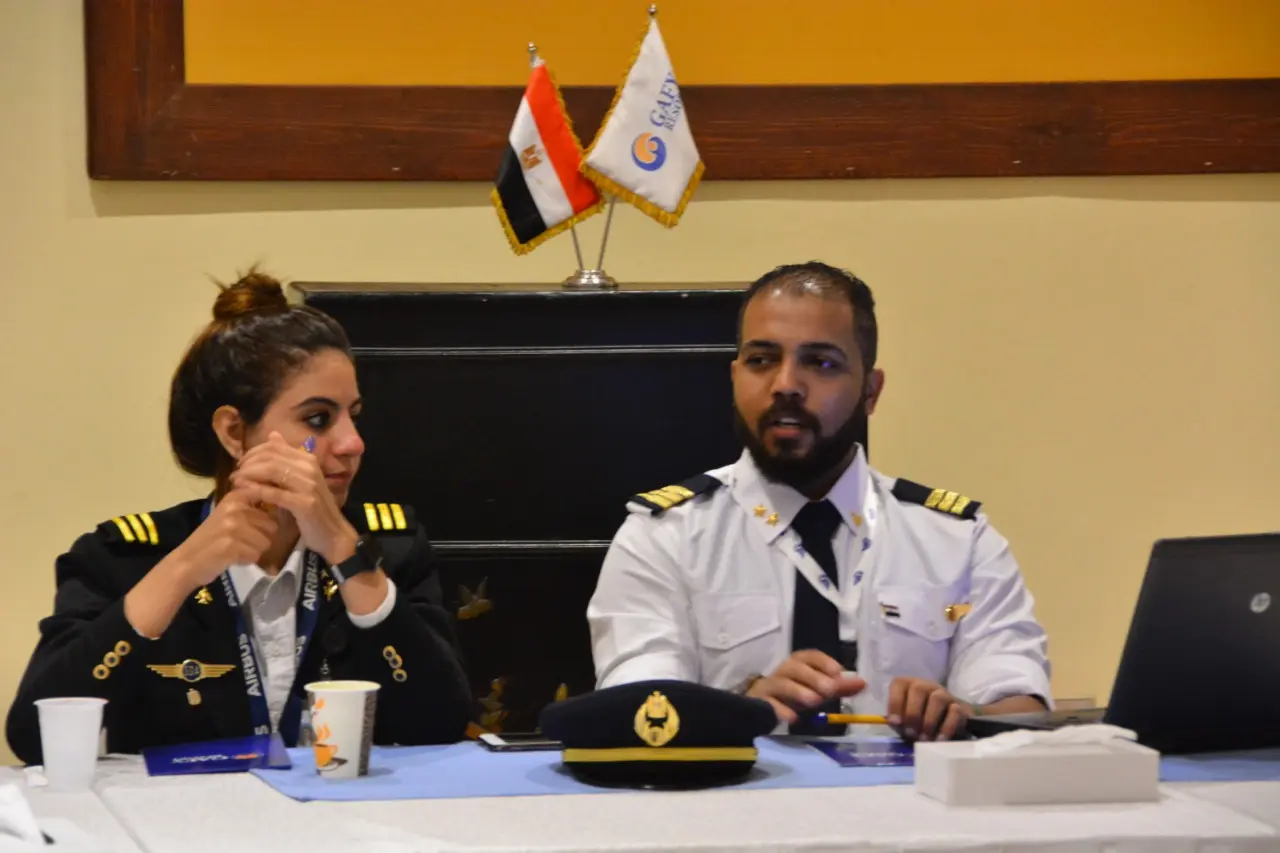
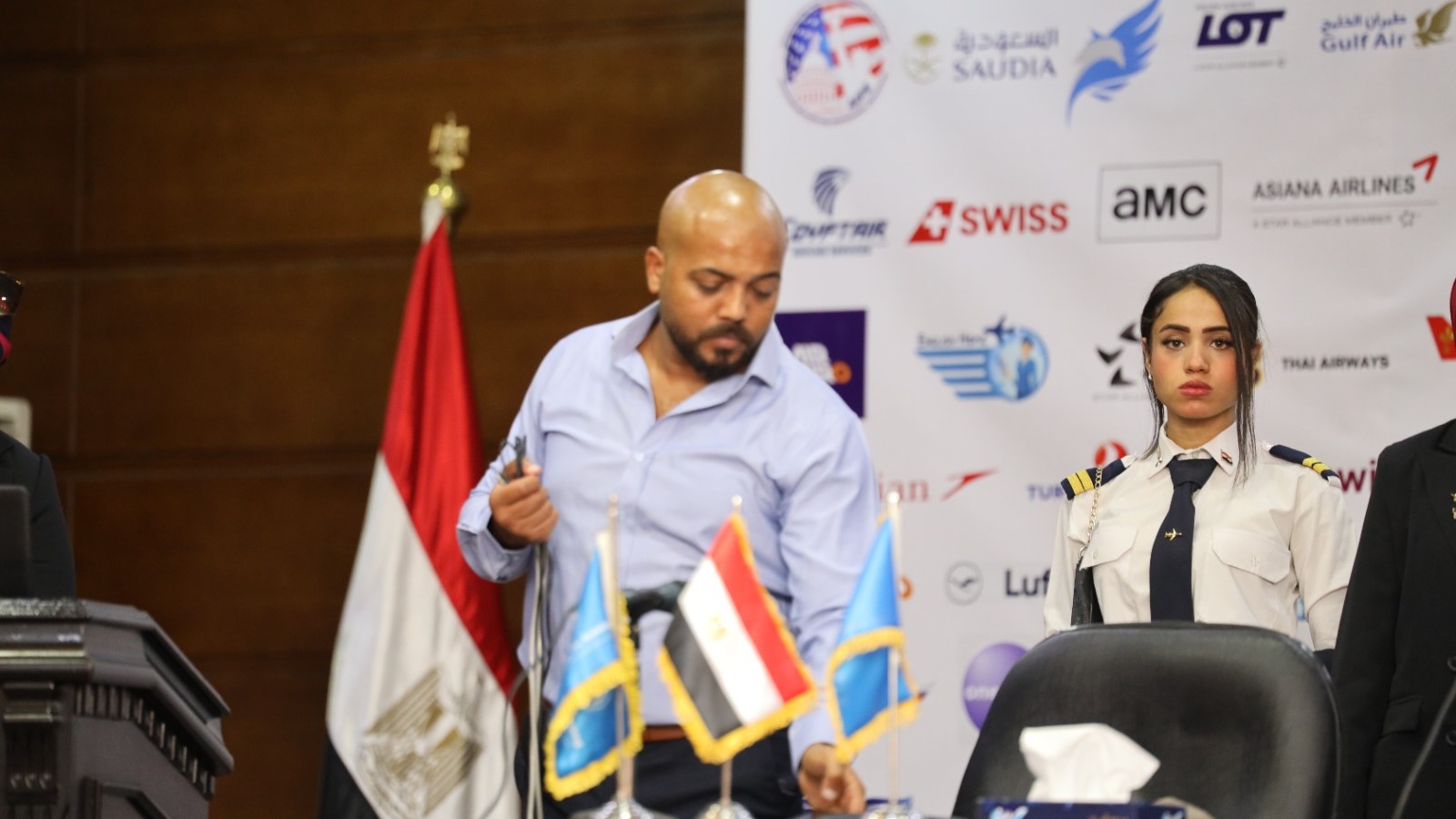
Join our workshops and seminars to get a glimpse of the aviation world.
Article 1This is the full content of the article. It contains valuable information about flight training, safety, and aviation careers. Lorem ipsum dolor sit amet, consectetur adipiscing elit.
Article 2This is the full content of the article. It contains valuable information about flight training, safety, and aviation careers. Lorem ipsum dolor sit amet, consectetur adipiscing elit.
Article 3This is the full content of the article. It contains valuable information about flight training, safety, and aviation careers. Lorem ipsum dolor sit amet, consectetur adipiscing elit.
Enter your email for newsletter